

History of Swiss Development Cooperation with Indonesia
Switzerland’s development cooperation with Indonesia, which began in the 1960s, has evolved from humanitarian assistance and technical cooperation into a broader partnership supporting Indonesia’s transition towards a sustainable, resilient and competitive economy.
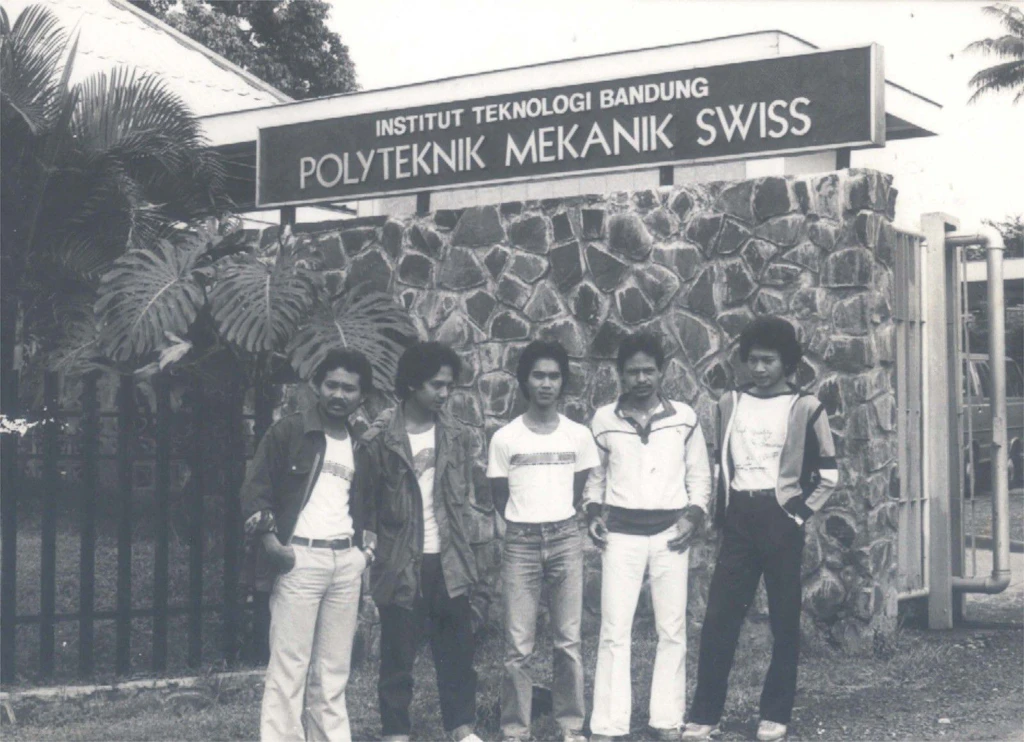
Development cooperation between Indonesia and Switzerland dates back to the 1960s, with a formal legal framework for technical cooperation established in 1971.
From 1976 to 1996, Indonesia was a priority country for the Swiss Agency for Development and Cooperation (SDC). During this period, SDC invested CHF 265.5 million in four main areas: human resource development, urban planning and infrastructure, healthcare, and rural development.
One of the most enduring examples of this cooperation was the establishment of the Politeknik Mekanik Swiss, today known as Politeknik Manufaktur Bandung (POLMAN Bandung), in the 1970s. It became one of Indonesia’s first state vocational polytechnics and remains an important legacy of Swiss–Indonesian cooperation in technical and vocational education.
From 1992 onwards, SDC gradually began phasing out its bilateral development activities in Indonesia. Annual funding was reduced from around CHF 20 million in 1992 to CHF 4 million by 1998, when the Swiss Cooperation Office in Indonesia was closed.
Switzerland’s economic cooperation with Indonesia also developed through the predecessor of today’s Swiss State Secretariat for Economic Affairs (SECO), the Federal Office for Foreign Economic Affairs. It supported Indonesia through mixed credit lines, with the first approved in 1983 and a second in 1991, particularly in the transport sector.
In 2003, SECO began scaling back its engagement while continuing to support selected initiatives. These included the IFC PENSA Programme for Eastern Indonesia SME Assistance, three Swisscontact business promotion projects under the Swiss Import Promotion Programme (SIPPO), and sustainable forest management initiatives implemented with the International Tropical Timber Organization (ITTO).
Humanitarian assistance and disaster risk reduction

Following the devastating Indian Ocean tsunami in 2004, SDC allocated CHF 13 million in humanitarian assistance to Aceh, supporting both emergency response and recovery. Most programmes concluded by 2010, while technical assistance to a water treatment facility in Banda Aceh continued until 2011.
Switzerland has continued to provide humanitarian assistance to Indonesia following major natural disasters, including after the 2018 earthquake and tsunami in Palu, Central Sulawesi.
From 2023 to 2025, SDC also implemented a three-year direct-action programme in support of BNPB, Indonesia’s National Disaster Management Authority. The programme strengthened capacities and promoted knowledge exchange in areas including hazard and risk assessment, preparedness, resilience education, mitigation and recovery, as well as research and development.
At the regional level, the SDC Regional Hub in Bangkok has also supported the ASEAN Coordinating Centre for Humanitarian Assistance on disaster management (AHA Centre) in strengthening emergency-response capacities among ASEAN Member States under the principle of “One ASEAN, One Response.”
Renewed economic cooperation
In 2009, SECO designated Indonesia once again as a priority country for economic development cooperation. Since then, four cooperation programmes have been completed:
2009–2012
This programme supported the Indonesian government in strengthening the private sector and decentralisation. It focused on improving economic governance for entrepreneurs, strengthening Indonesia’s integration into international trade, and reducing environmental impacts. Economic governance and sustainable development were central themes.
2013–2016
With a budget of CHF 75 million, this programme aimed to strengthen economic governance and competitiveness while promoting more sustainable and inclusive growth. Support focused on public-sector management, improving conditions for private-sector trade and investment, and sustainable urbanisation. Gender equality and economic governance were addressed as cross-cutting themes.
2017–2020
Also funded with CHF 75 million, this phase focused on inclusive and sustainable development through improved public service delivery, more sustainable use of natural resources, and a stronger, more competitive private sector capable of creating jobs. Gender equality and economic governance remained transversal priorities.
2021–2024
With a funding commitment of CHF 65 million, this programme addressed selected remaining development challenges by strengthening competitiveness, resilience and resource efficiency. It focused particularly on effective public institutions, especially in urban areas, and on improving the competitiveness of small and medium-sized enterprises. Gender equality, climate action and resource efficiency were integrated across the programme.
Recent examples of cooperation
Sustainable landscapes
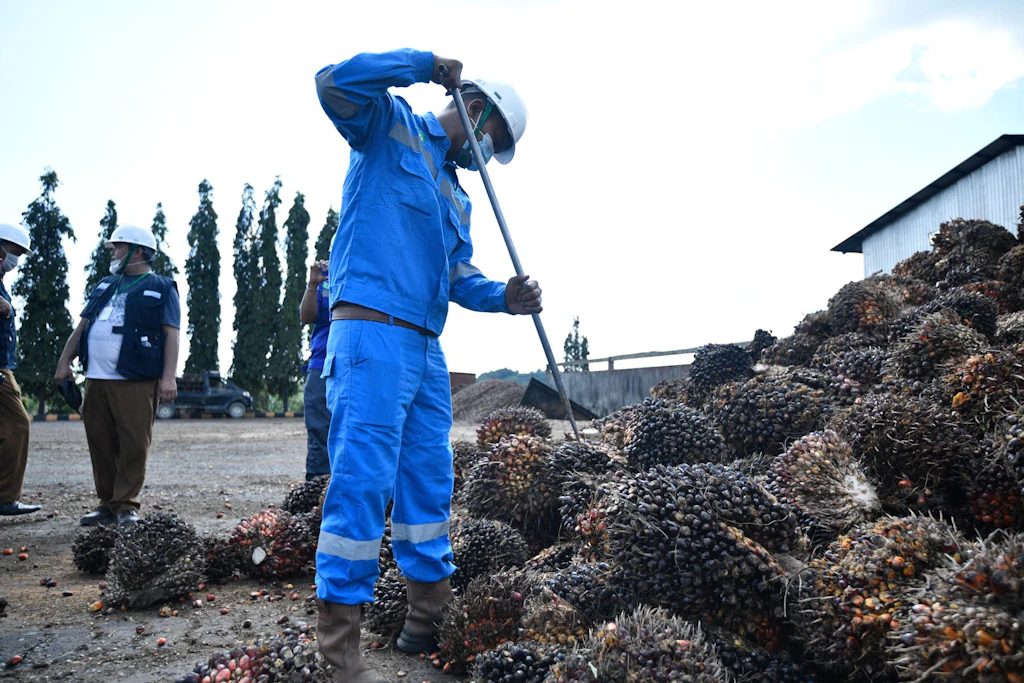
By the end of 2025, the Sustainable Landscape Programme Indonesia (SLPI) had strengthened multi-stakeholder platforms across four landscapes in Sumatra and Kalimantan. The programme engaged more than 24,000 smallholder farmers, supporting them in adopting sustainable production practices that improved both productivity and household incomes.
SLPI also mobilised CHF 8.9 million in additional private-sector funding and contributed to securing conservation status for nearly 1.8 million hectares. In addition, it helped improve working conditions for more than 21,700 workers and supported 81 companies in revising their sustainability policies and strengthening their production practices.
Urban mobility
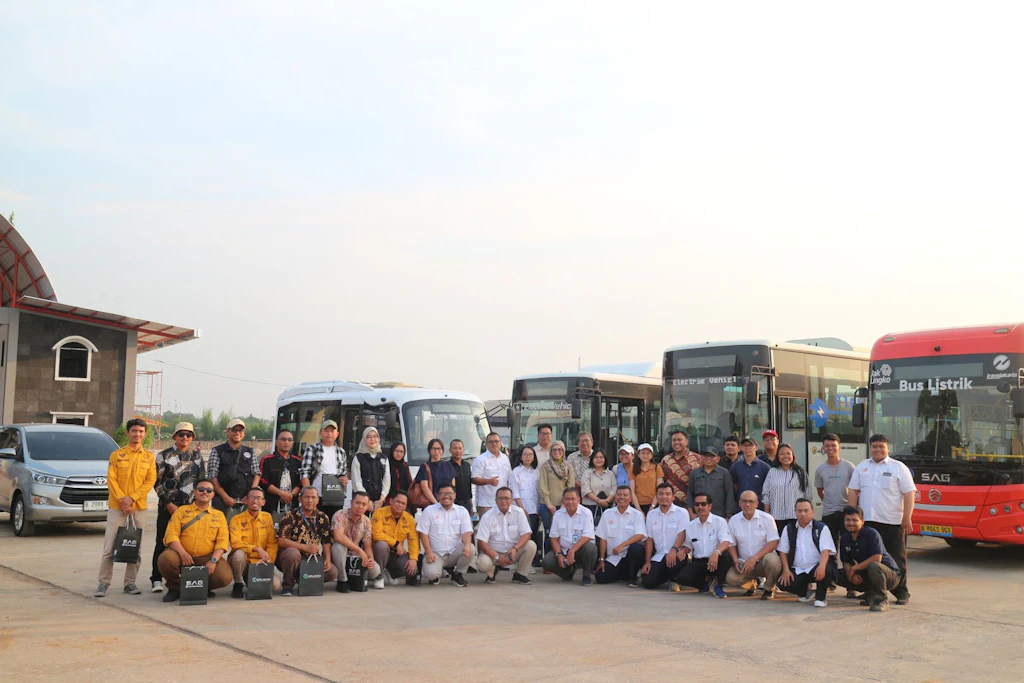
The Indonesian Bus Rapid Transit Corridor Development (INDOBUS) project has established a strong track record in Indonesia’s public transport sector through targeted feasibility studies, technical assistance and capacity-building activities.
At the national level, the project supported BAPPENAS in preparing key elements of the RPJMN 2025–2029, Indonesia’s five-year national development plan. Its contributions included studies on criteria for prioritising cities for Bus Rapid Transit systems, reviews of key performance indicators, and assessments of alternative financing options for urban transport programmes.